
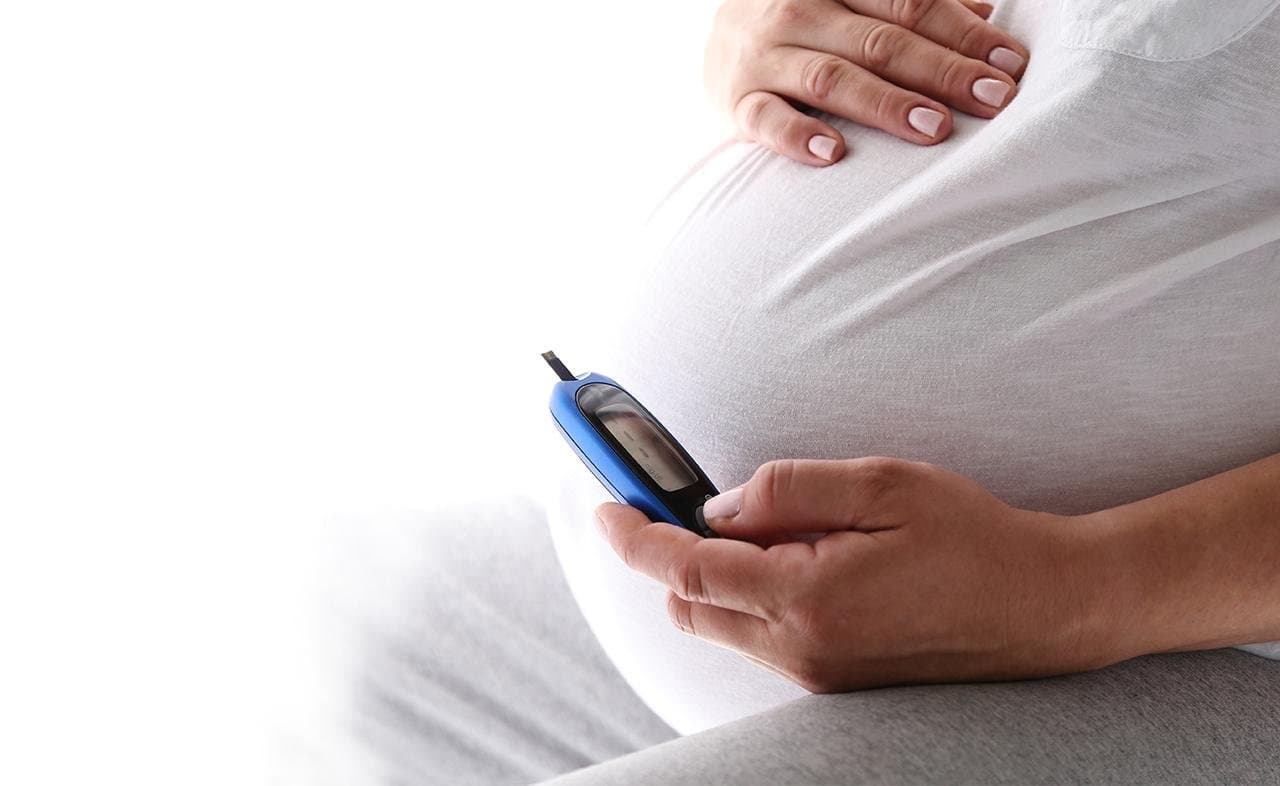
Gestational diabetes mellitus (GDM) is a type of diabetes that develops during pregnancy, usually in the second or third trimester. It occurs when the body cannot produce enough insulin to meet the extra demands of pregnancy.
Risk factors for gestational diabetes include being over 25 years of age, having a BMI above 30, a family history of Type 2 diabetes, previous gestational diabetes, and belonging to certain ethnic groups with higher prevalence.
Gestational diabetes is typically diagnosed through an oral glucose tolerance test (OGTT) performed between 24 and 28 weeks of pregnancy. Early screening may be recommended for women with higher risk factors.
Management of gestational diabetes focuses on keeping blood sugar levels within target ranges through a combination of dietary modification, regular physical activity, and blood glucose monitoring. Many women can manage their condition through lifestyle changes alone.
When diet and exercise are insufficient, insulin therapy is the preferred medication during pregnancy due to its safety profile. Some oral medications may also be considered under specialist guidance.
After delivery, blood sugar levels usually return to normal. However, women who have had gestational diabetes have a significantly increased risk of developing Type 2 diabetes later in life, making ongoing monitoring and healthy lifestyle habits essential.
Have Questions About This Topic?
Dr Asif Malik Humayun is available for consultations. Get personalised advice from an experienced endocrinologist.