
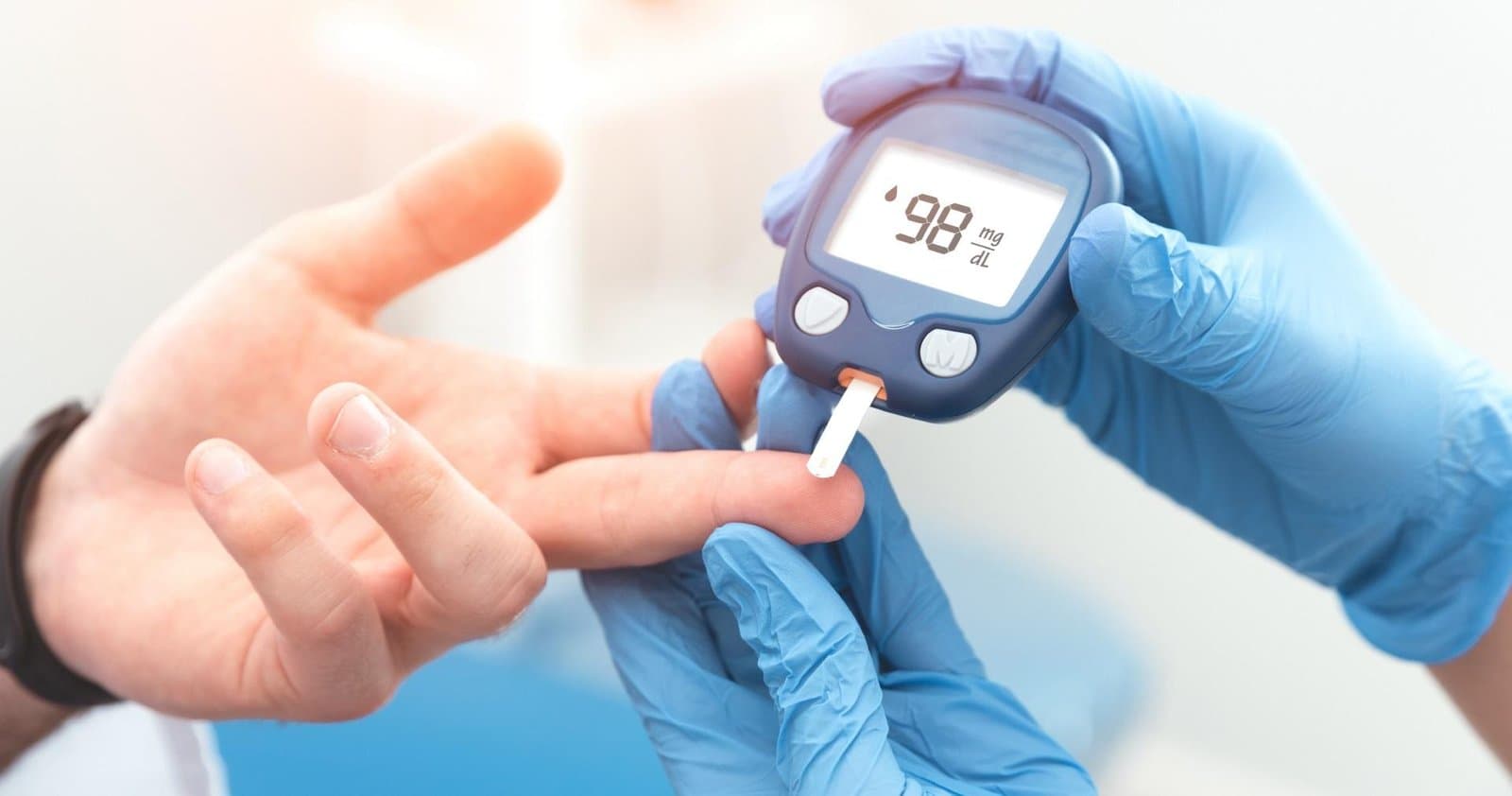
Type 2 diabetes is the most common form of diabetes, accounting for around 90% of all diabetes cases worldwide. It occurs when the body becomes resistant to insulin or when the pancreas cannot produce enough insulin to meet the body's needs.
The condition typically develops gradually, often over many years, and is strongly associated with lifestyle factors such as obesity, physical inactivity, and poor dietary habits. However, genetic predisposition also plays a significant role.
Early symptoms of Type 2 diabetes can be subtle and may include increased thirst, frequent urination, unexplained weight loss, fatigue, blurred vision, and slow-healing wounds. Many people live with undiagnosed Type 2 diabetes for years.
Modern management of Type 2 diabetes involves a multi-faceted approach. Lifestyle modifications — including a balanced diet, regular physical activity, and weight management — form the foundation of treatment. When lifestyle changes alone are insufficient, medications such as metformin, SGLT2 inhibitors, and GLP-1 receptor agonists may be prescribed.
Recent advances in diabetes care have introduced new classes of medications that not only lower blood sugar but also provide cardiovascular and kidney protection. Continuous glucose monitoring (CGM) technology has also become more accessible, allowing patients to track their blood sugar levels in real time.
Regular follow-up with your endocrinologist is essential for optimising treatment, screening for complications, and adjusting your management plan as needed. With the right care, people with Type 2 diabetes can lead healthy, active lives.
Have Questions About This Topic?
Dr Asif Malik Humayun is available for consultations. Get personalised advice from an experienced endocrinologist.